
Built to Protect Client Funds, Assets, and Accounts
In an industry where many providers operate without licensing or regulatory oversight, Exeter chose a higher standard, combining regulated trust company oversight, substantial financial protections, rigorous internal controls, and experienced leadership.
Not All Financial Service Providers Operate Under the Same Standards
The 1031 exchange qualified intermediary industry does not have uniform federal licensing requirements, regulatory oversight, or mandatory audit standards. That makes due diligence especially important when selecting a provider entrusted with client funds.
- Regulation creates independent oversight and accountability
- Bonding and insurance add financial protection
- Capital reserves strengthen the organization behind the service
- Internal controls help reduce fraud, error, and misappropriation risk
Exeter chose to become regulated rather than wait for the industry to require it.
After a rigorous multi-year review and approval process, Exeter established Exeter Trust Company in Cheyenne, Wyoming, creating a regulated trust company platform for exchange funds, retirement assets, custody accounts, and other client assets.
Three Levels of Audit and Examination
Exeter Trust Company is subject to multiple forms of independent oversight designed to evaluate financial condition, procedures, and regulatory compliance.
Regulatory Examination
The Wyoming Division of Banking examines Exeter Trust Company as part of its regulatory oversight responsibilities.
Financial Statement Audit
An independent certified public accounting firm audits the company's financial statements.
Procedural Audit
An independent certified public accounting firm reviews procedures and operational controls.
Substantial Bonding, Insurance, and Equity Capital
Exeter maintains financial protections well above minimum regulatory requirements to help safeguard client funds, assets, and accounts.
More than $8 million in equity capital reserves
Exeter maintains equity capital reserves intended to strengthen the organization and provide an additional layer of protection for client funds, assets, and accounts.
Layered Safeguards Across the Entire Process
Exeter combines account structure, insurance coverage, internal controls, and daily reconciliation practices to reduce risk at each stage.
Separate Qualified Trust Accounts
1031 exchange funds are deposited, held, and safeguarded in separate, segregated, dual-signature, restricted qualified trust accounts through Exeter Trust Company. These accounts classify the funds as client trust funds rather than corporate operating funds.
Expanded FDIC Insurance Coverage
Exeter Trust Company spreads idle client cash across multiple commercial banking relationships and may use an Insured Cash Sweep vehicle for significant cash balances, helping provide coverage beyond the standard FDIC limit applicable at a single institution.
Daily Balancing and Reconciliation
Exeter uses a trust accounting system to track client funds, investments, and accounts in real time. The organization reconciles its funds position to the penny each business day.
Multi-Person Disbursement Controls
Disbursements require four Exeter team members, working with the client's written authorization, to request, authorize, process, and complete a transfer. Wire instructions are also verbally confirmed through callbacks to a trusted phone number.
Clients and Advisors Are Encouraged to Perform Due Diligence
Exeter believes clients should understand how their funds and assets are held, what controls are in place, and who is responsible for oversight. The organization welcomes questions from clients and their legal, tax, financial, and real estate advisors.
- Clear explanation of account structure and controls
- Direct access to experienced decision makers
- Consultative support for clients and professional advisors
- Published funds investment policy and disclosure statement
Safety is a process, not a slogan.
Regulatory oversight, capital, insurance, account controls, reconciliations, and experienced personnel must work together every day to protect client interests.
Ask About Exeter's SafeguardsHow Exeter Reduces Operational Risk
Every transfer of client funds moves through a controlled sequence designed to provide verification, accountability, and a documented approval trail.
Written Authorization
The client provides documented instructions before funds can be released.
Request and Review
Team members review the transaction request, supporting documents, and account details.
Independent Verification
Wire instructions are confirmed verbally through a callback to a trusted phone number.
Controlled Disbursement
Multiple Exeter team members authorize, process, and complete the transfer.
Experienced Executives Behind the Controls
Exeter's executive leadership team brings more than 150 years of collective financial services experience, including extensive work in 1031 exchanges, trust operations, retirement account custody, compliance, finance, and risk management.
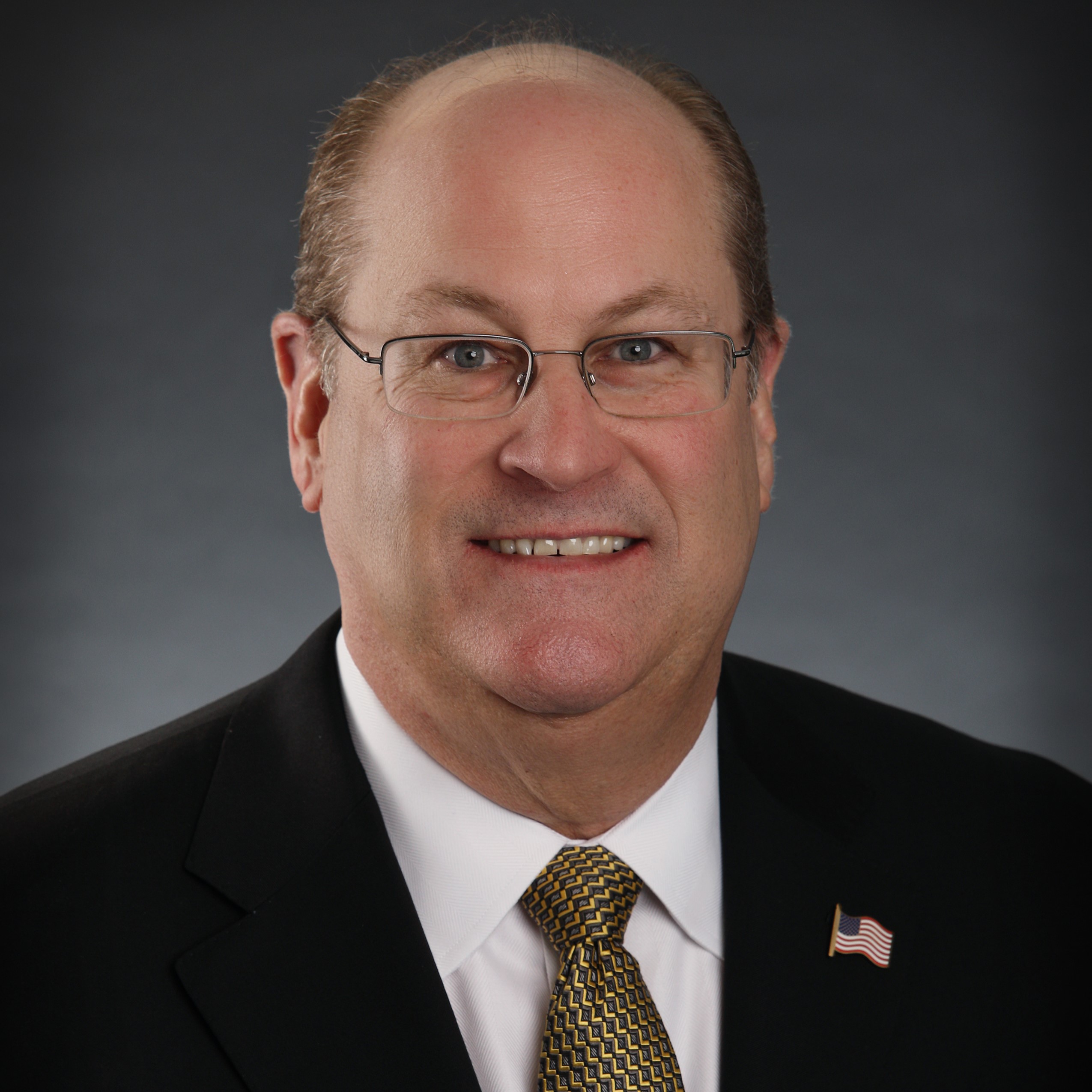 Founder, Chair and Chief Executive Officer
William L. “Bill” Exeter
Celebrating his 42nd year in financial services, Bill is widely recognized for his leadership in 1031 exchanges, 1033 exchanges, self-directed retirement accounts, industry education, advocacy, and professional standards. He was one of the founders of the Federation of Exchange Accommodators in the late 1980s.
 Founder, Vice-Chair, President and Chief Operating Officer
Maureen H. Brown
Celebrating her 52nd year in financial services, Maureen has more than 25 years of experience in 1031 exchange and trust services, with significant expertise in strategic planning, workflows, systems design, implementation, operations, and training.
 Senior Vice President and Chief Trust Officer
Brett L. Davis
Brett has more than 35 years of financial services experience, with an emphasis on self-directed IRAs, Individual 401(k) plans, private fund custody, administrative and directed trustee services, retirement account custody, and non-traditional investments.
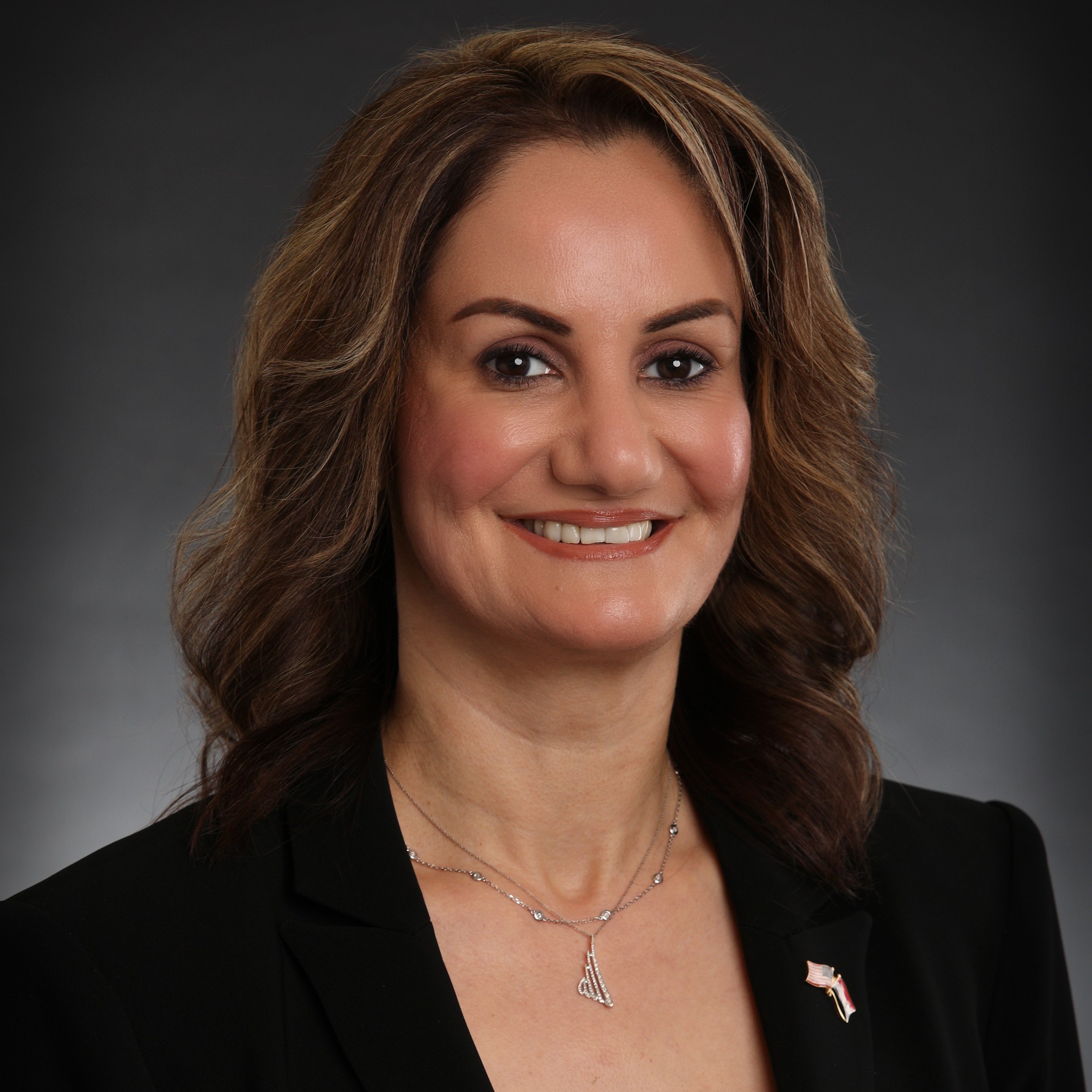 Vice President, Treasurer and Business Development Officer
Hiba I. Exeter
Hiba has entered her 11th year in financial services. She works closely with escrow and closing professionals and assists clients and their advisors with 1031 exchanges, 1033 exchanges, self-directed IRAs, and Individual 401(k) plans.
 Vice President and Controller
Amanda J. Brynoff
Amanda has more than a decade of accounting and finance experience in real estate-related fields, including trust company operations, qualified intermediary management and oversight, 1031 exchange administration, and real estate development.
 Vice President, Compliance Officer and BSA/AML Compliance Officer
David M. Peterson
David has more than 15 years of experience in trust company oversight, management, administration, compliance, and trust operations. He also serves as a member of the Board of Directors of Exeter Trust Company.
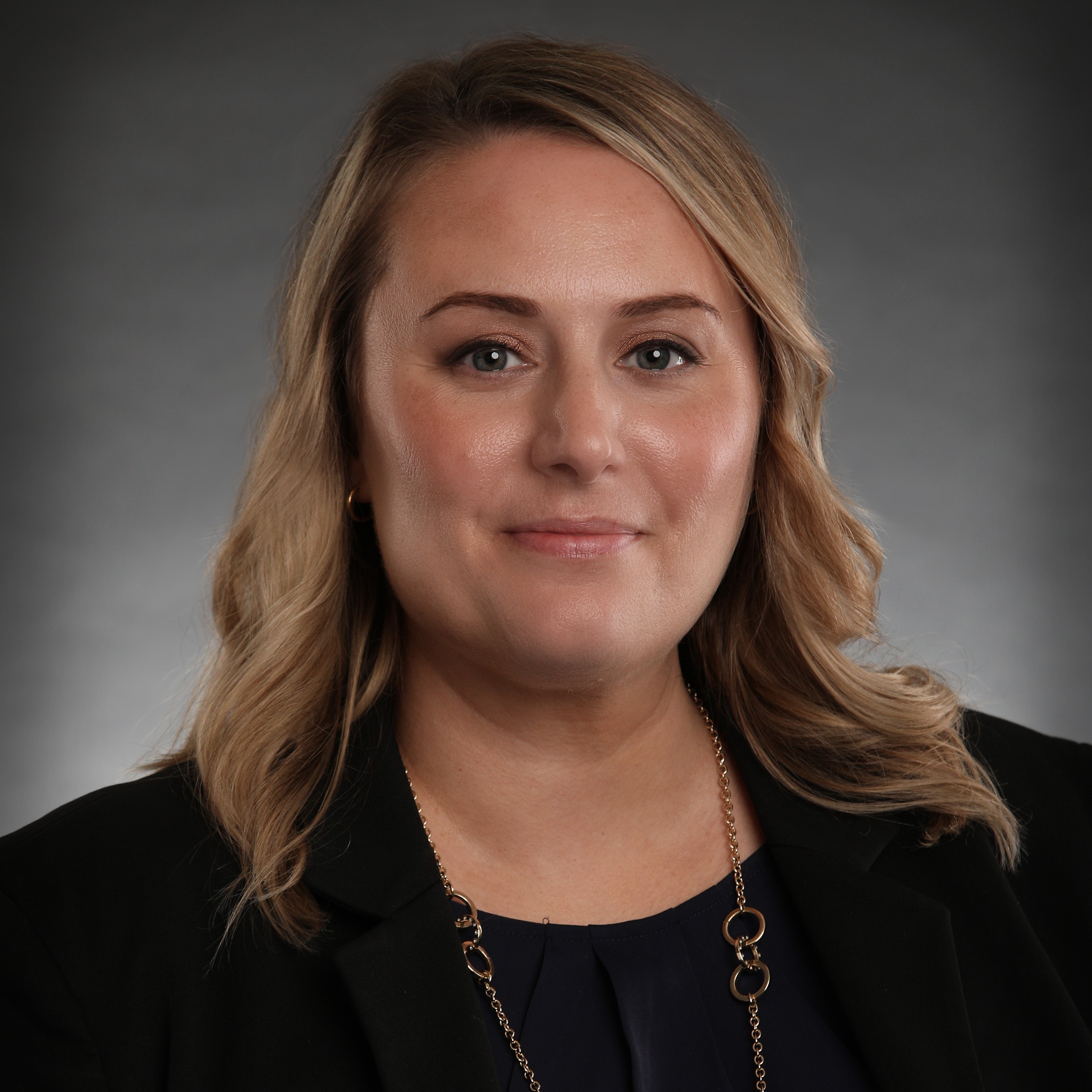 Vice President and Regional Manager
Lauren H. Speidel
Lauren has worked in financial services since 2005 and has been with Exeter since 2017. Based in the Midwest Regional Office in Chicago, she leads sales, marketing, and client relationship management across the Midwest and brings extensive experience in 1031 exchanges, banking, trust services, DSTs, private placements, and REITs.
 Assistant Vice President, Chief of Staff and Assistant Corporate Secretary
Phuong T. Tran
Phuong has more than 25 years of experience providing executive-level administrative, operational, and strategic support. She helps coordinate leadership priorities and supports the organization’s day-to-day executive operations.
Security Is a Shared Responsibility
Exeter's controls are designed to reduce risk, but clients should also take practical steps to protect their own systems, credentials, and communications.
Use Strong Authentication
Change passwords regularly and enable two-factor authentication whenever it is available.
Protect Devices and Email
Maintain current security software and monitor email accounts for suspicious activity or unauthorized access.
Verify Wire Instructions
Confirm wire instructions verbally using a trusted phone number before sending or authorizing funds.
Understanding Exeter's Safety and Soundness Practices
Is the 1031 exchange qualified intermediary industry regulated?
There is no uniform federal licensing or regulatory framework for qualified intermediaries. Some states have adopted specific requirements, but oversight varies. Exeter chose to establish a regulated trust company structure to provide additional accountability and safeguards.
How are Exeter's 1031 exchange funds held?
Exeter 1031 Exchange Services deposits client funds into separate, segregated, dual-signature, restricted qualified trust accounts through Exeter Trust Company.
What types of audits does Exeter Trust Company undergo?
Exeter Trust Company is subject to a regulatory examination by the Wyoming Division of Banking, a financial statement audit by an independent certified public accounting firm, and a procedural audit by an independent certified public accounting firm.
How does Exeter verify wire transfers?
Disbursements require written client authorization, multi-person internal approval, and verbal verification of wire instructions through a callback to a trusted phone number.
Does Exeter provide more than standard FDIC coverage?
Exeter Trust Company uses multiple banking relationships and may use an Insured Cash Sweep vehicle to increase FDIC insurance coverage for eligible idle cash balances. Coverage depends on the account structure, participating institutions, and applicable FDIC rules.
State of Washington Required Notice
Washington state law, RCW 19.310.040, requires an exchange facilitator to either maintain a fidelity bond in an amount of not less than one million dollars that protects clients against losses caused by criminal acts of the exchange facilitator, or to hold all client funds in a qualified escrow account or qualified trust that requires client consent for withdrawals. All exchange funds must be deposited in a separately identified account using the client's taxpayer identification number.
Clients must receive written notification of how exchange funds have been deposited. The exchange facilitator must provide written directions explaining how to independently verify the deposit. Exchange facilitation services are not regulated by any agency of the State of Washington or the United States government. It is the client's responsibility to determine that exchange funds will be held in a safe manner.
Insurance, bonding, capital, FDIC coverage, leadership experience, and other figures should be reviewed and updated by Exeter before publication to ensure they remain current.
Ask More of the Company Holding Your Funds
Speak with an Exeter specialist about regulatory oversight, qualified trust accounts, insurance coverage, internal controls, or the safeguards supporting your transaction or account.
Speak With a Specialist